Industry

Brand Strategy & Spatial Design

Client

Grupo Piquer (private education group, Zaragoza)

Grupo Piquer. A historic Aragonese education group, rebuilt for a new generation of students.
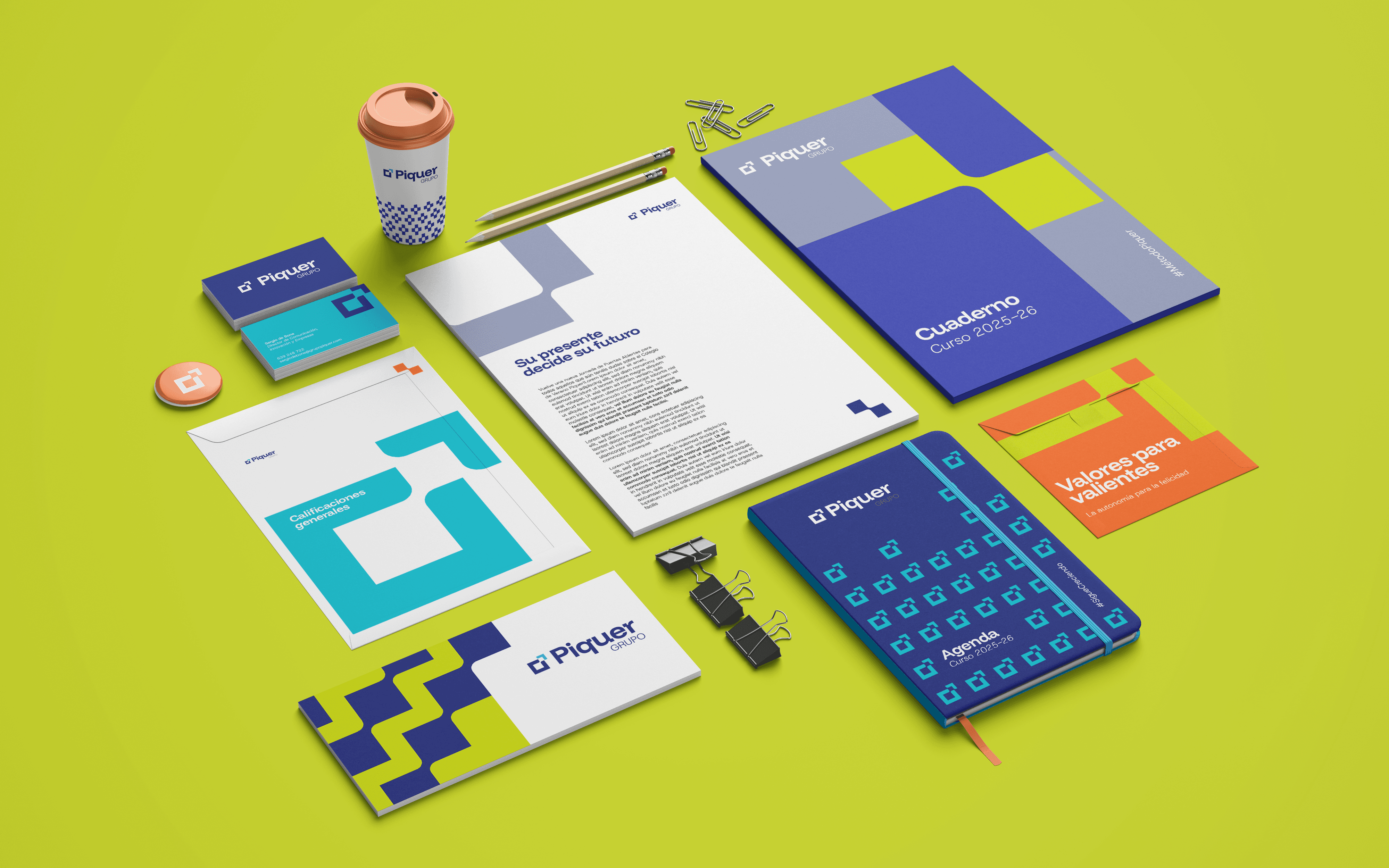
Main Project Image

A full rebranding and spatial redesign for one of Zaragoza's most established education institutions.

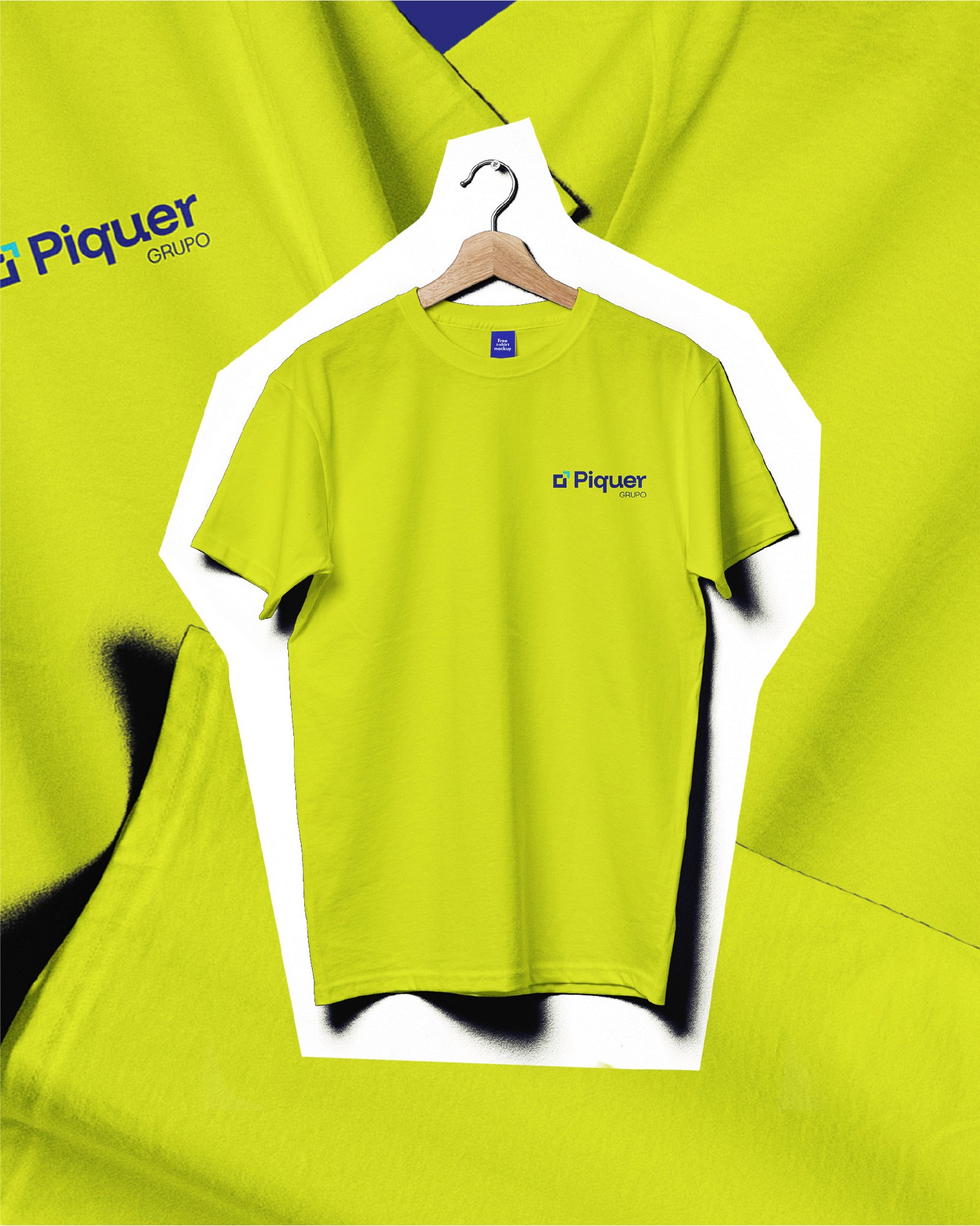
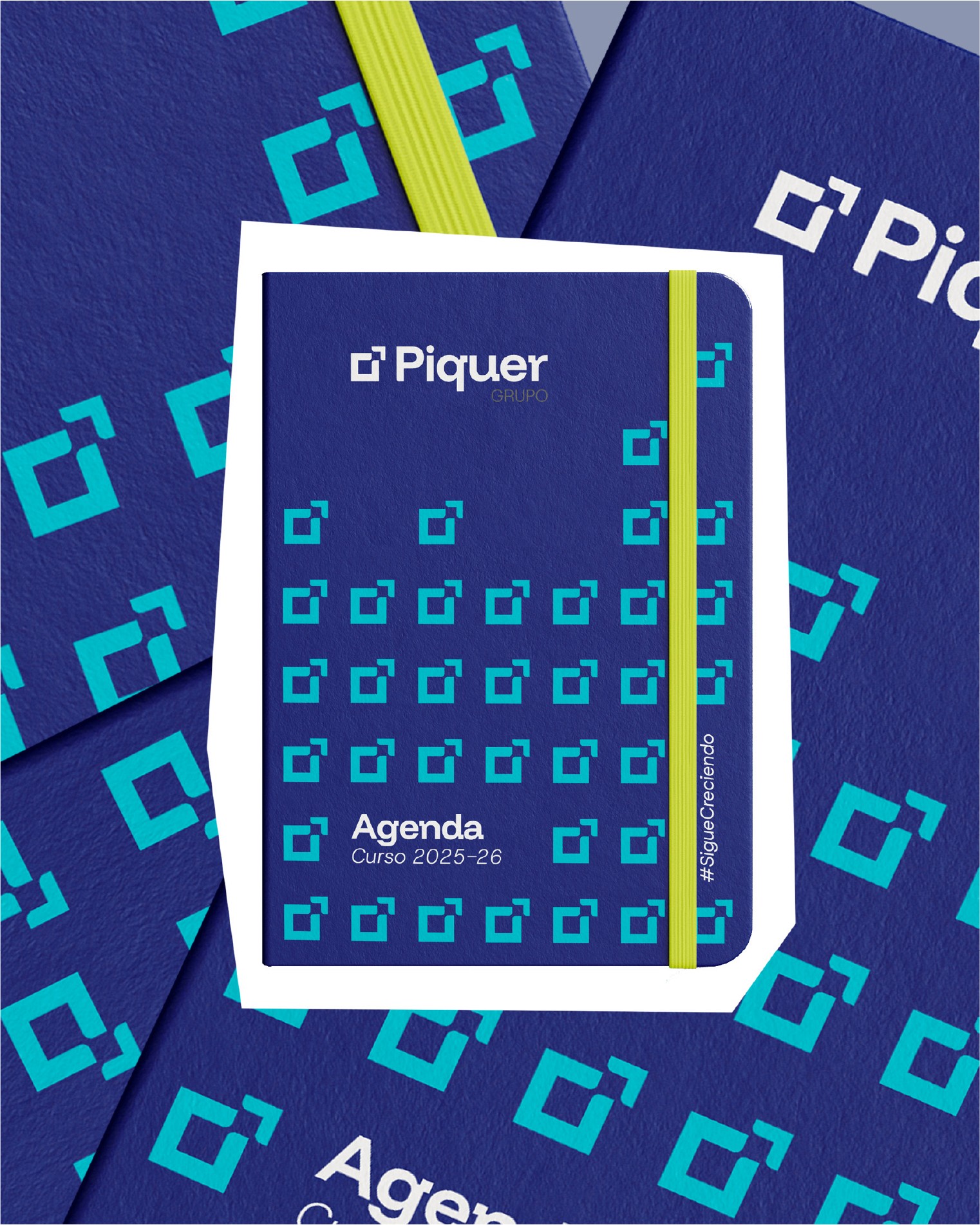
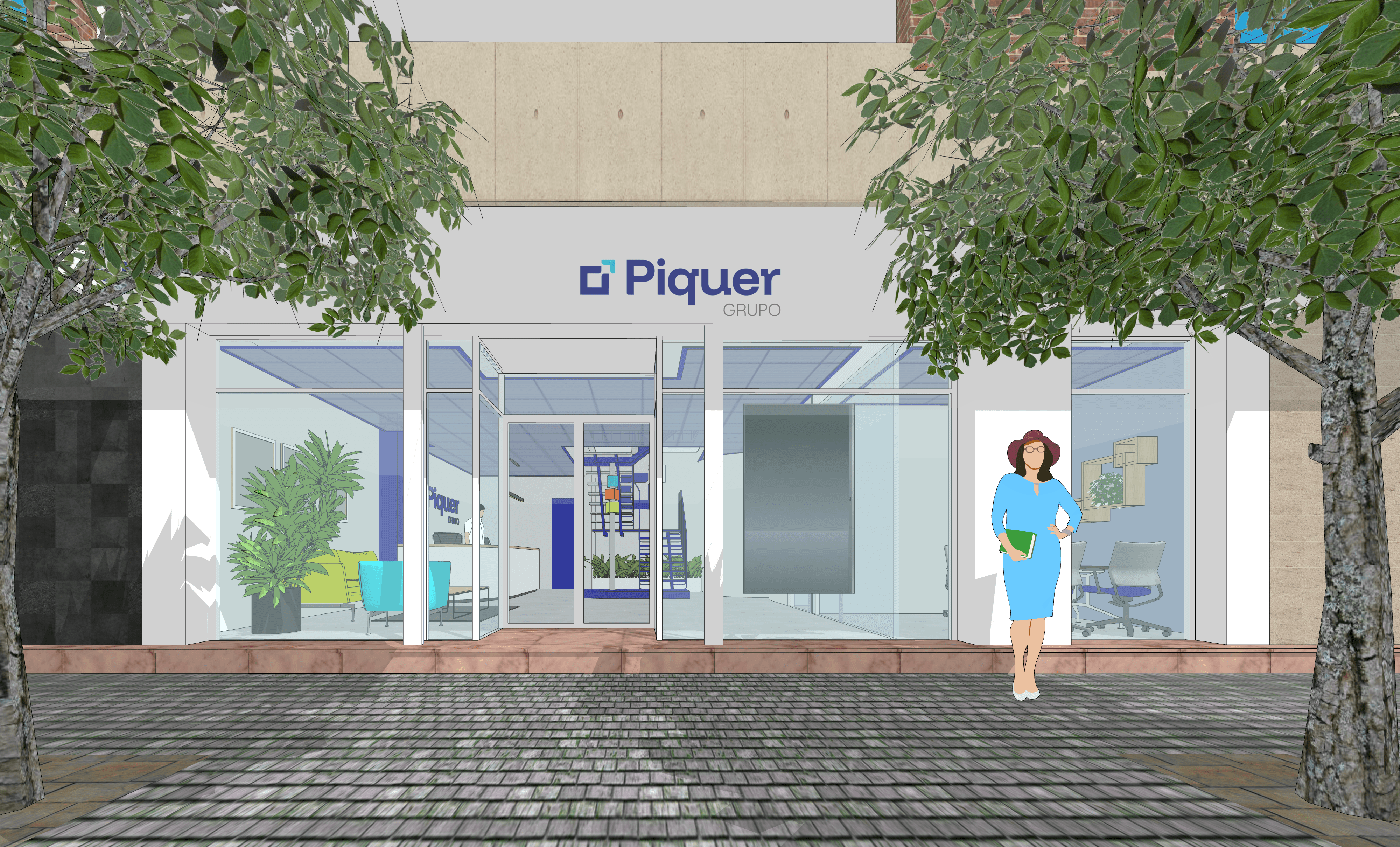
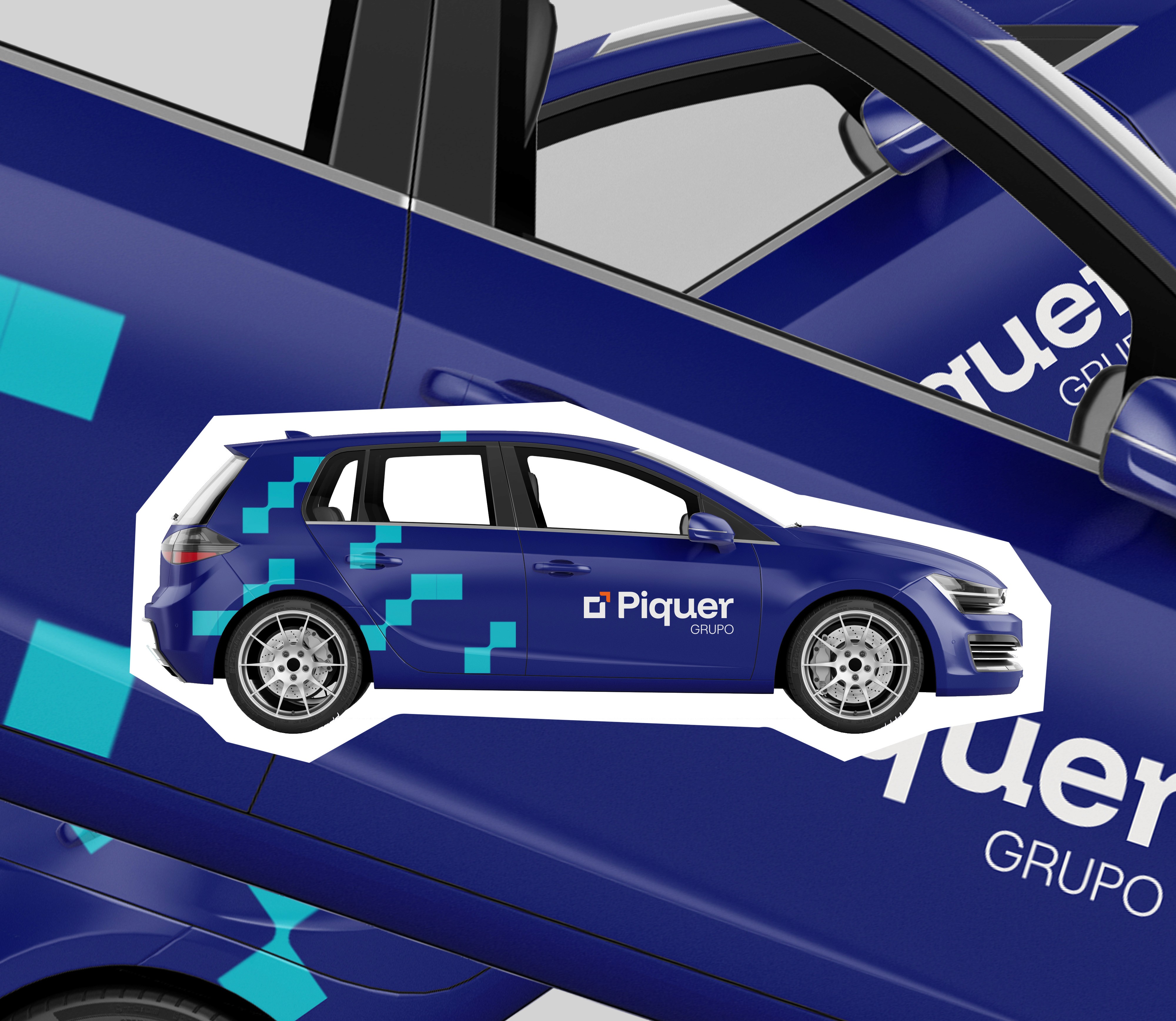
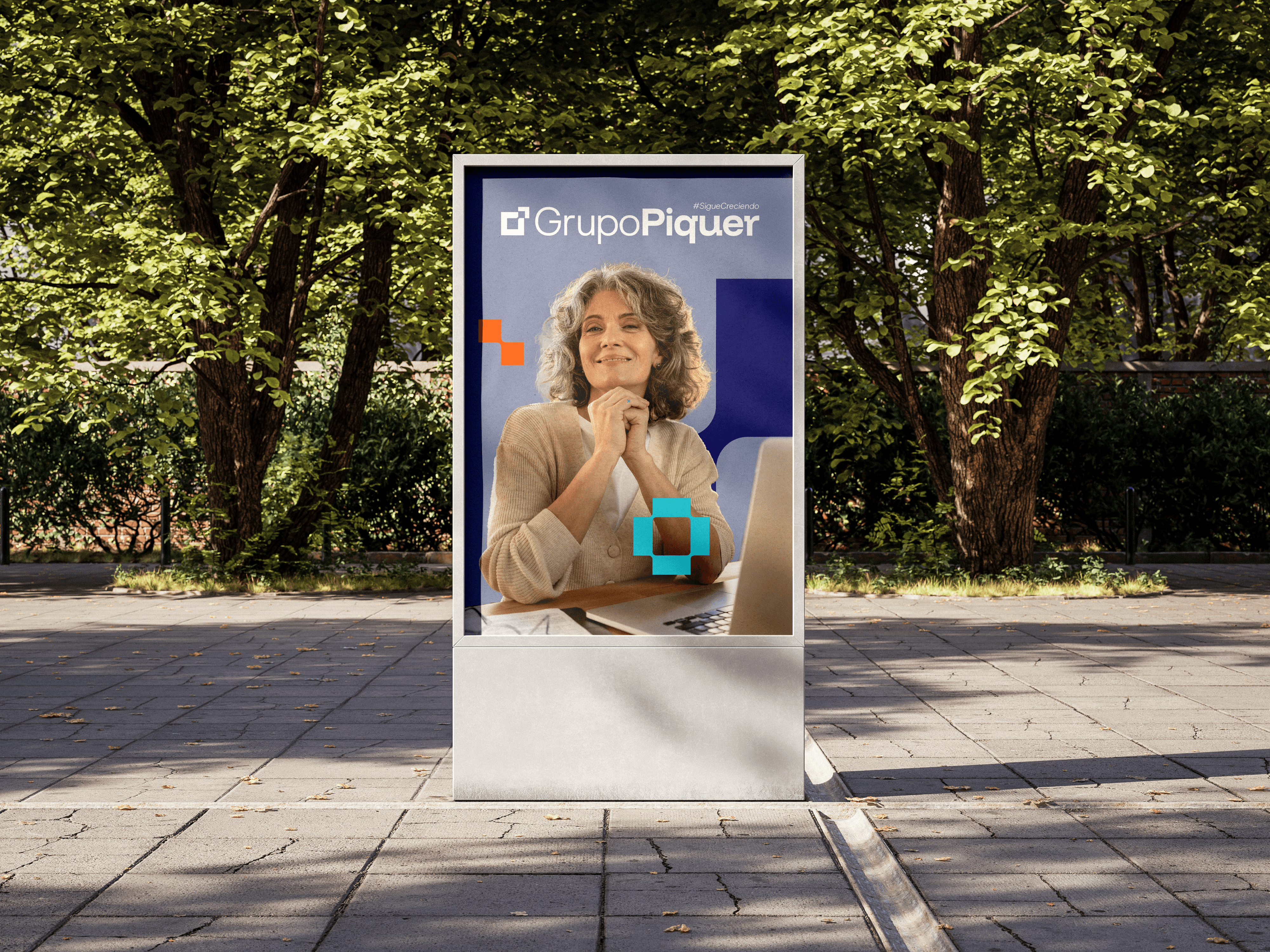
Grupo Piquer is one of the most established education and training groups in Zaragoza, with decades of history forming students across many disciplines. By the time we started working together, the brand had built strong recognition in the region — but the visual identity had aged, the institutional voice had drifted, and the experience of walking into one of their academies no longer reflected the modernity of the teaching they delivered. Bozeta took on a full rebranding project: conceptualisation of the brand, design of a new logotype, construction of a complete visual universe and the systems needed to apply that identity consistently across every digital and physical surface of the organisation.
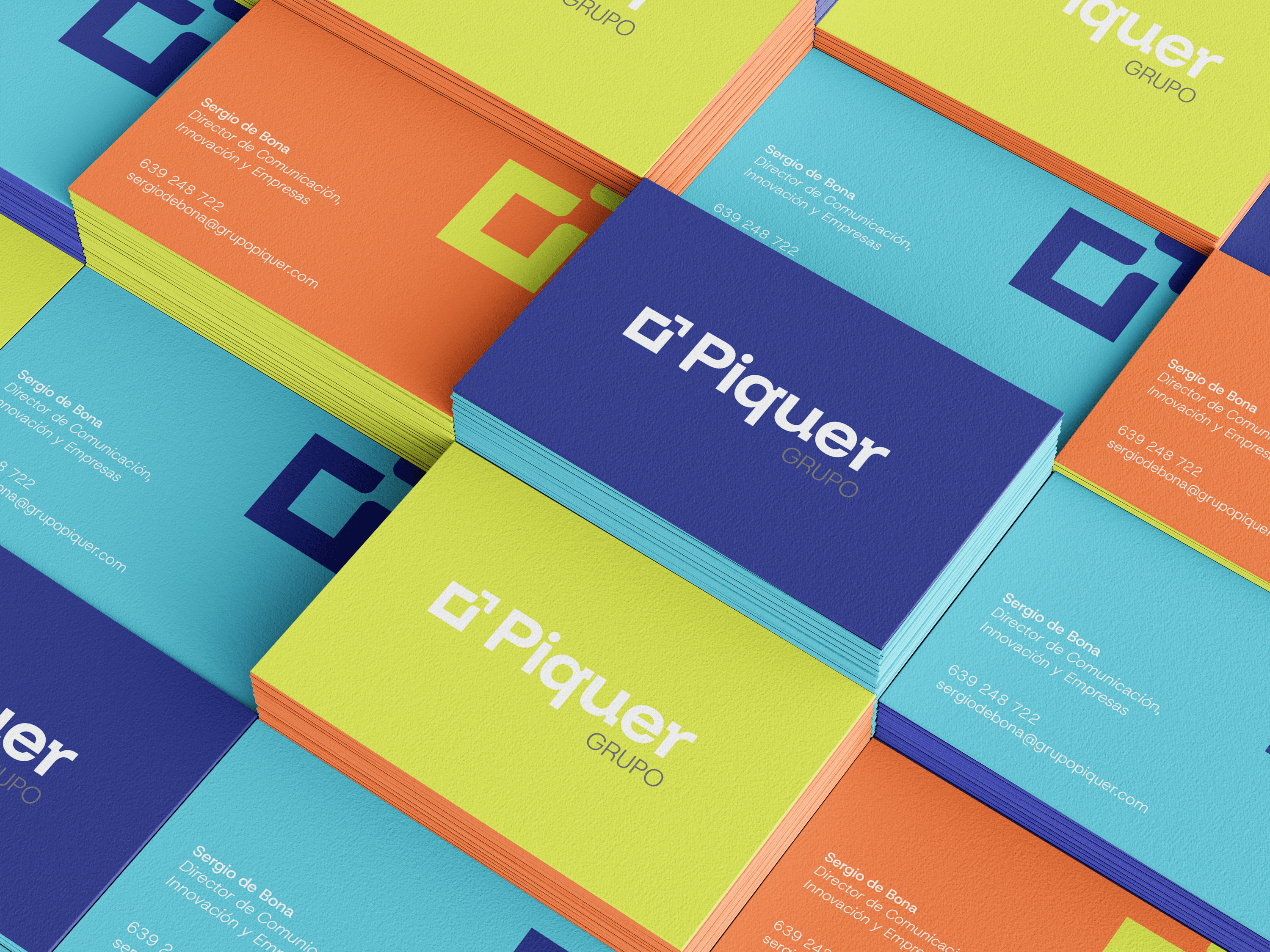

Large Project Gallery Image #1
Project Gallery Image for 50% width of the screen #1
Project Gallery Image for 50% width of the screen #2

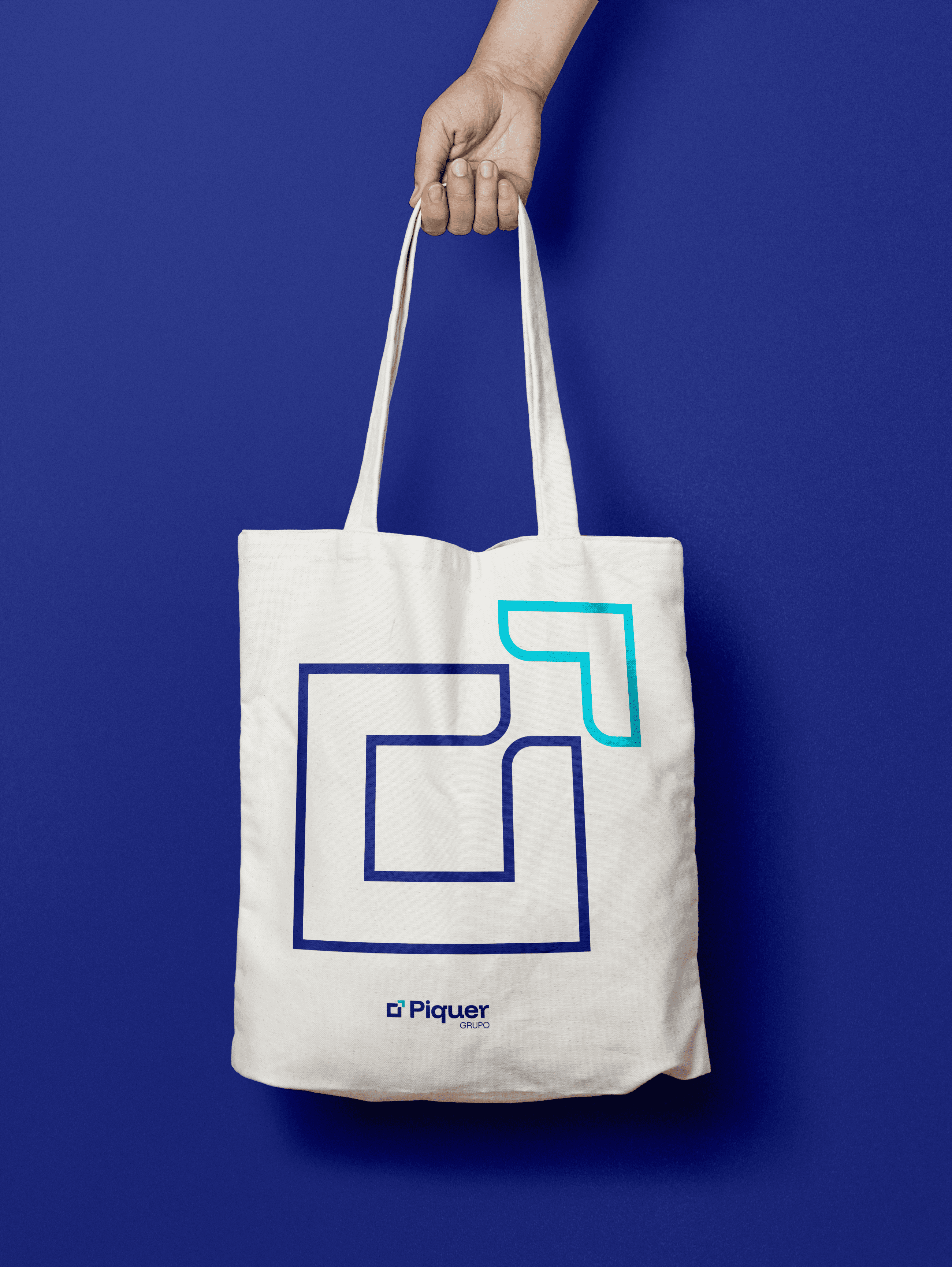
The story of a square that wanted to keep growing into something more.

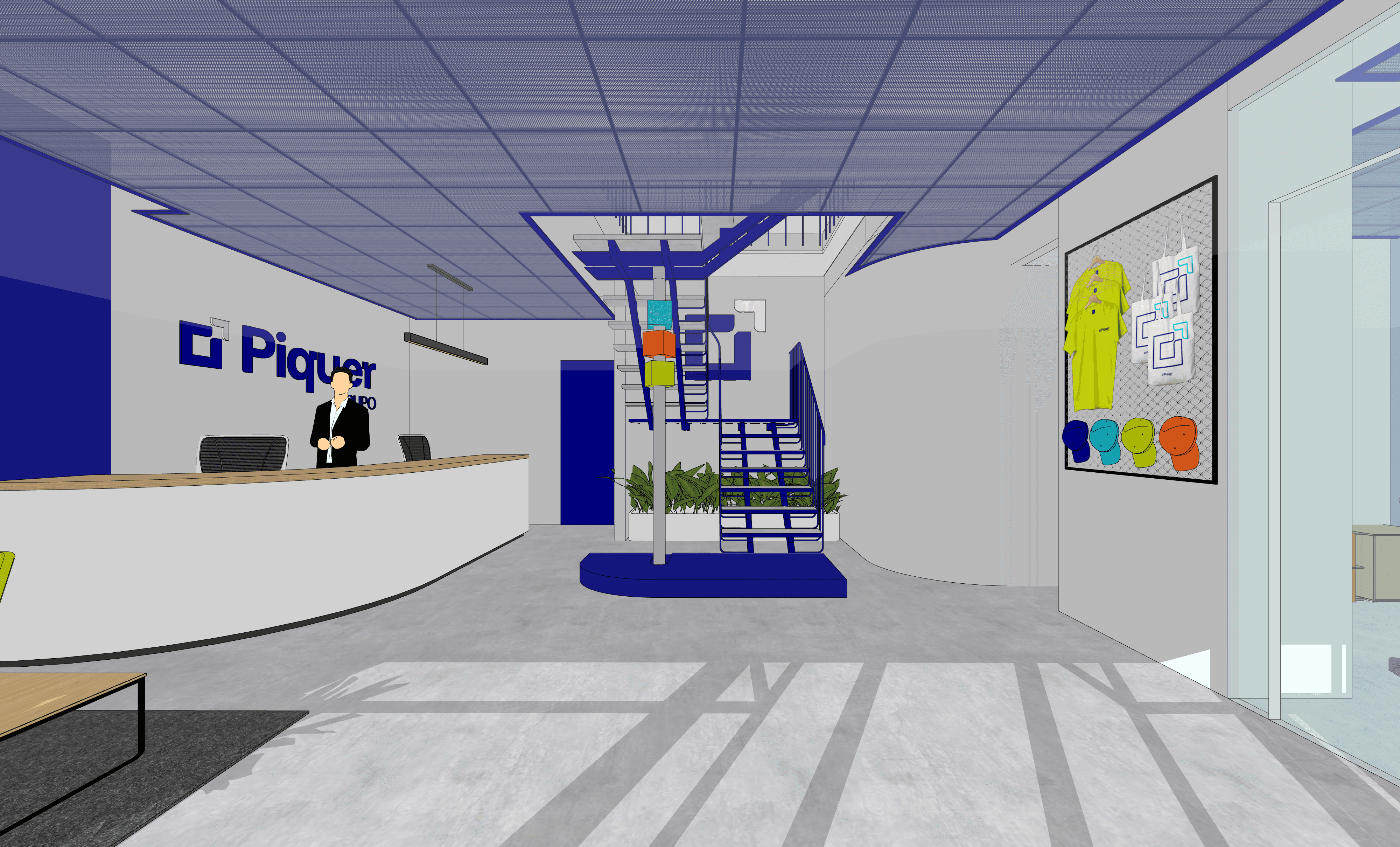
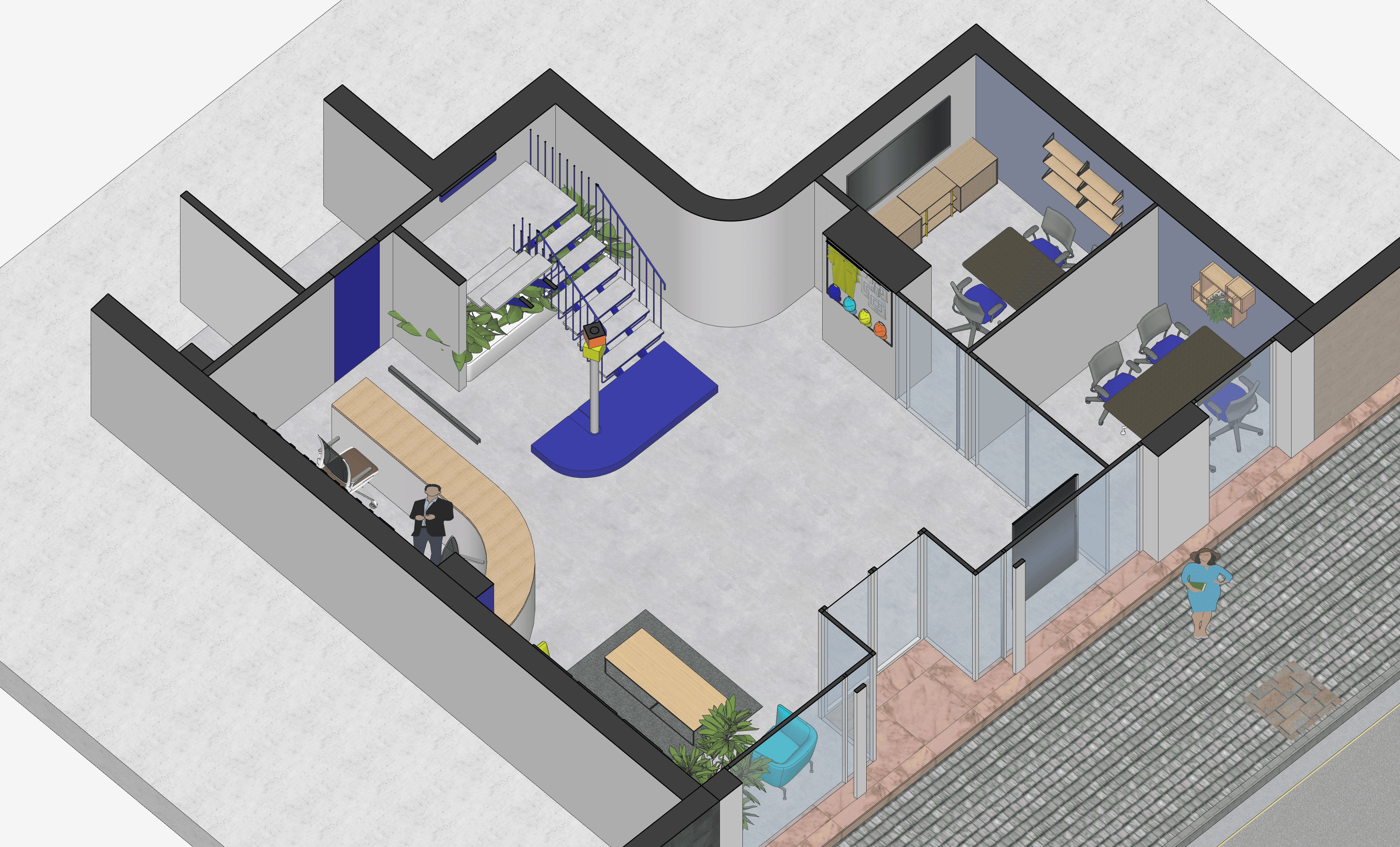
The new symbol is built from a square that opens, evolves, and gains a small arrow — a quiet metaphor for the institution's own trajectory and for the students who pass through it. Alongside the brand system, Bozeta led the spatial redesign of the group's academies, developing 3D modelling and rendered visualisations to project how the new identity would inhabit the physical learning spaces. The result is a brand that operates across formats, corporate communications, social media, signage, classrooms, with the same calm, contemporary voice. For Bozeta, Grupo Piquer is an example of how rebranding, when done seriously, can become an exercise in institutional self-recognition: an organisation that knew what it was, finally able to look like it.